

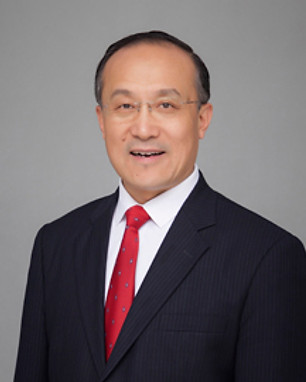
Prof. Tao ZHANG
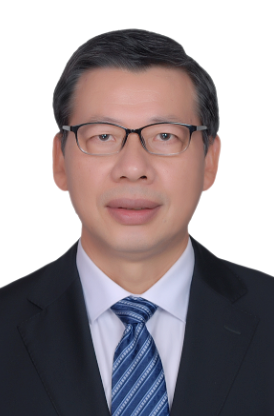
Prof. Qilong REN
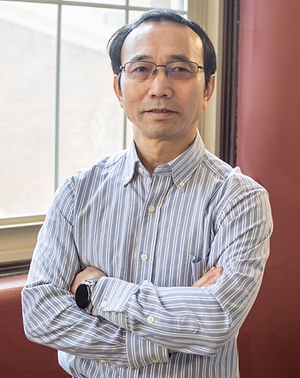
Prof. Roger Ruan
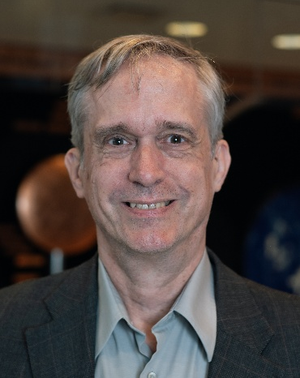
Prof. Philip G. Jessop
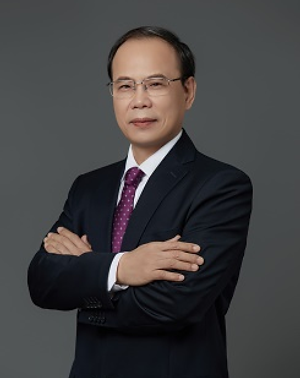
Prof. Xueqing QIU
Prof. Guoqing GUAN
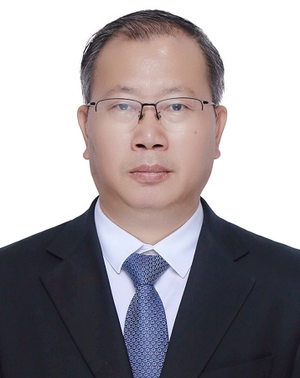
Prof. Guanyi CHEN

Prof. Paul STUART
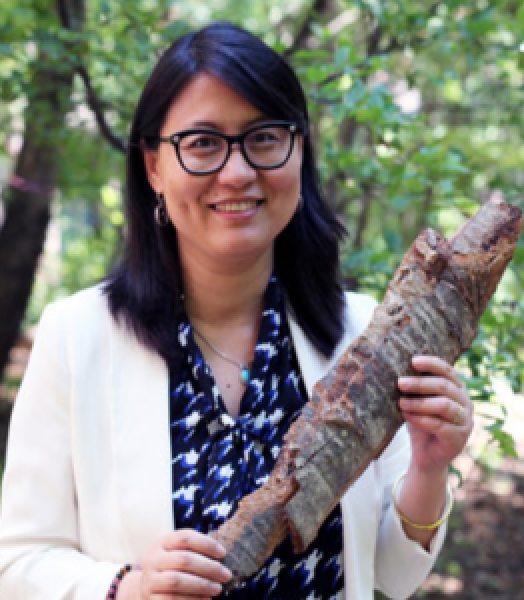
Prof. Ning YAN
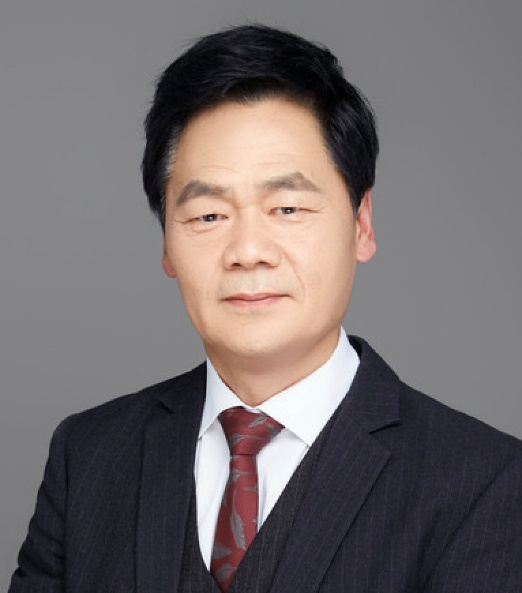
Professor Zhengxiao GUO
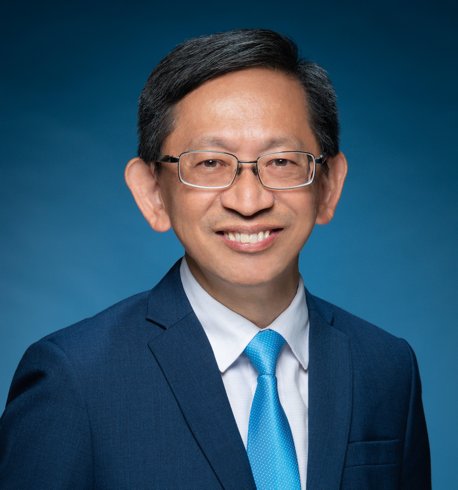
Prof. Jonathan WONG
Prof. Jonathan WONG is an Academician of the European Academy of Sciences and Arts, Clarivate Highly Cited Researcher 2024, a top 2% scientist in biotechnology in Stanford University Ranking since 2022, and ScholarGPS Global ranking #1 in Food Waste Research since 2024. He is currently a Top Talent Professor and Director of the Research Center for Eco-Environmental Engineering of the Dongguan University of Technology, Professor Emeritus of the Hong Kong Baptist University, Visiting Professor of RMIT University and Murdoch University and Director of the Hong Kong Organic Resource Centre. He is also members of the Advisory Board of Malaysia Palm Oil Board, Fellow of the International Bioprocessing Association and Founding Fellow of the Hong Kong Institute of Environmental Professionals. His research expertise is in the area of solid waste management with specialization in waste bio-circular economy and waste biomass valorization for energy and added value products. He has published over 550 SCI publication and conference proceedings with citation of > 31350 and H-index of 94. Jonathan has been appointed as a member of a number of Government’s advisory committees including the Town Planning Board, Advisory Committee for Northern Metropolis, and Green Tech Fund. He was bestowed with Medal of Honor and Bronze Bauhinia Star by the Government of Hong Kong Special Administrative Region respectively in 2011 and 2022 for his service and contribution to the Hong Kong environment and appointed as Justice of Peace in 2013.
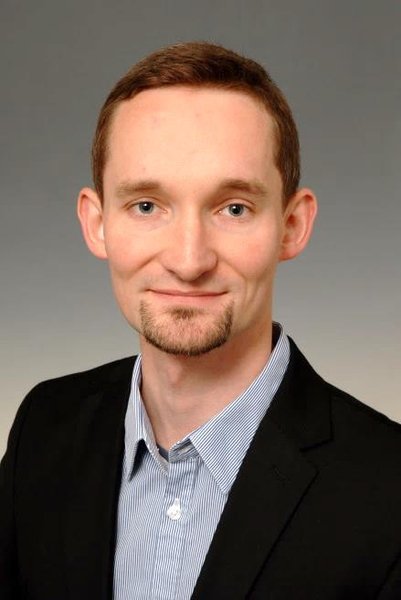
Prof. Marcus ROSE
Dr. Marcus Rose is a Full Professor of Chemical Technology at Technical University of Darmstadt, Germany. He graduated from Dresden University of Technology and was group leader at RWTH Aachen University. He has a strong expertise in catalysis engineering and sustainable chemistry. His research group is dedicated to the utilization of renewable resources for chemical production with a particular emphasis on catalyst development, reaction engineering, and process design. Dr. Rose is dedicated to inspiring and mentoring the next generation of chemists and chemical engineers and promoting innovative research at the interface of both fields.
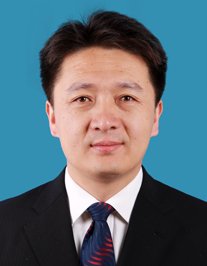
Prof. Mingbo WU
Dr. Mingbo Wu, the Vice President of Qingdao University of Science and Technology, Professor and Ph.D. Supervisor of Qingdao University of Science and Technology and China University of Petroleum (East China). Prof. Wu is recognized as a Leading Talent of the National “Ten Thousand Talents Program,” a New Century Excellent Talent of the Ministry of Education, and a Distinguished Taishan Scholar of Shandong Province. Prof. Wu serves as the Founding Editor-in-Chief of Sustainable Chemistry for Energy Materials (Elsevier) and is an editorial board member for journals including New Carbon Materials, Electron, and Carbon Future. His research primarily focuses on novel carbon materials, electrochemical energy storage, and energy-related catalytic process. Prof. Wu has led over 30 prominent research projects, including the National Key R&D Program of China and Key Projects of the National Natural Science Foundation. Furthermore, he has published over 300 SCI papers in journals such as Nat. Commun., J. Am. Chem. Soc., Angew. Chem. Int. Ed., Adv. Mater., holds over 100 authorized Chinese and US patents, and has received 12 provincial and ministerial-level scientific awards.
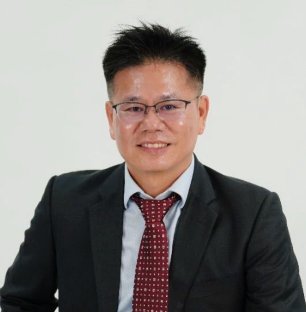
Prof. Tau Chuan LING
Professor Tau Chuan LING is a Professor at the Universiti Malaya. He obtained his PhD from the University of Birmingham, United Kingdom, under the supervision of Professor Andrew Lyddiatt, where his research focused on the development of cost-effective protein downstream processing technologies. Following his graduation in 2002, he joined Universiti Putra Malaysia as a lecturer before moving to the Universiti Malaya. Professor Ling has established an internationally recognised research programme in bioseparation technology and bioprocess engineering, supported by funding from the Government of Malaysia and industrial partners. He is a Fellow of the Institution of Chemical Engineers (FIChemE) and a Chartered Engineer (CEng). He has been recognised among the Universiti Malaya Researchers listed in Stanford University's Top 2% Scientists ranking and received the Young Asian Biotechnologist Prize 2017 from The Society for Biotechnology, Japan. He has served as a visiting professor at several prestigious universities worldwide, including Nanjing Agricultural University, Tsinghua University, Xiamen University, Lund University, National Cheng Kung University, the University of Canterbury, and Kobe University. Professor Ling's expertise lies in bioseparation technology and bioprocess intensification. He is internationally recognised for pioneering research in the development of innovative bioprocess separation and analytical technologies. His work has made significant contributions to the advancement of aqueous two-phase systems for biomolecule purification, primary recovery technologies, adsorbent design, and fluidised bed adsorption for large-scale biopharmaceutical and nutraceutical processing.
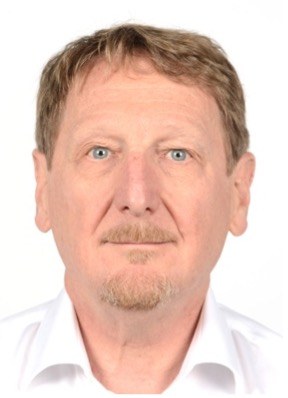
Prof. Christophe LEN
Prof. Dr. Christophe Len received his Ph.D. in Chemistry from the Université de Picardie Jules Verne (France) in 1995, followed by a postdoctoral fellowship at the University of Hull (UK). In 1997, he was appointed Assistant Professor at UPJV and was promoted to Full Professor at the Université de Poitiers (France) in 2004. In 2010, he joined the Université de Technologie de Compiègne (France) as Full Professor. Since 2017, he has conducted his research at Chimie ParisTech, PSL University (France). Prof. Len has published more than 280 original research and review articles, 13 book chapters, and 11 patents, with an H-index of 53 and more than 10,000 citations (Scopus). His scientific career has been recognized through several international distinctions. He was appointed Honorary Professor of the University of Hull, UK (2012–2018), Honorary Professor at the University of Delhi, India (2022), and Honorary Professor at Xi'an Jiaotong University, China (2022–2028). He was elected a Fellow of the Royal Society of Chemistry (FRSC) in 2015. In 2017, he received the Glycerine Innovation Award, sponsored by the American Cleaning Institute and the National Biodiesel Board, in recognition of his contributions to glycerine-related research and innovation. His current research focuses on organic chemistry, sustainable synthesis, biomass valorization, catalysis, and continuous-flow chemistry, with particular interest in the development of innovative and sustainable routes to value-added chemicals from renewable resources.
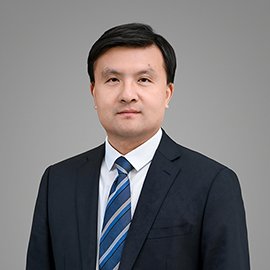
Prof. Feng WANG
Prof. Feng WANG is a Researcher at the Dalian Institute of Chemical Physics, Chinese Academy of Sciences, specializing in heterogeneous catalysis and its applications. He has authored over 200 papers such as Nature, Science, and Nature Energy, and been granted over 200 Chinese patents. He has been recognized awards, including the Royal Society's Energy Horizon Prize (2026), two Liaoning Provincial Natural Science First Prizes (2023, 2025), and the ACS Sustainable Chemistry & Engineering Lectureship Award (2020). Currently supported by the National Science Fund for Distinguished Young Scholars (A) and the Tencent New Cornerstone Investigator Program, he also serves as an Associate Editor for ACS Catalysis.
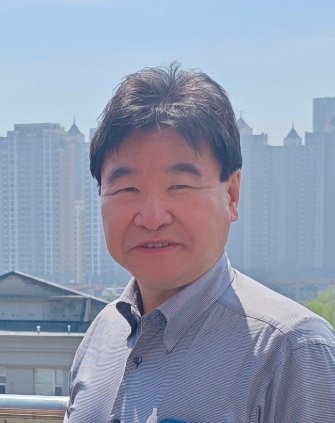
Prof. Keiichi TOMISHIGE
Prof. Keiichi TOMISHIGE received his B.S., M.S. and Ph.D. from Graduate School of Science, Department of Chemistry, The University of Tokyo. During his Ph.D. course in 1994, he moved to Graduate School of Engineering, The University of Tokyo as a research associate. In 1998, he became a lecturer, and then he moved to Institute of Materials Science, University of Tsukuba as a lecturer in 2001. He was promoted to be an associate professor, Graduate School of Pure and Applied Sciences, University of Tsukuba, in 2004. Since 2010, he has been a professor in Graduate School of Engineering, Tohoku University. He is interested in the development of heterogeneous catalysts for C-O hydrogenolysis and H2-driven deoxydehydration for the synthesis of biomass-derived chemicals, and non-reductive CO2 conversion with alcohols/amines. He has served as an Associate Editor of Green Chemistry, RSC. Number of publications > 450, total citation >30,000, h-index 104 (Scopus).
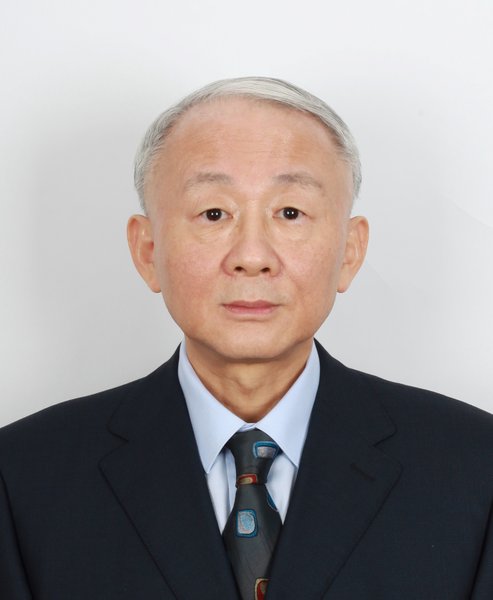
Prof. Zhen FANG
Prof. Zhen Fang, leader and founder of biomass group at Nanjing Agricultural University. He is the inventor of “fast hydrolysis” process. He is Editor-in-Chief of Springer Book Series – Biofuels and Biorefineries, Elected Fellow of the Canadian Academy of Engineering (2021), Associate Editor of Biotechnol Biofuels, and Associate Editor of J Supercrit Fluid (2018-20). He is also editorial (advisory) board members of Biofuel Bioprod Bior (2012-18) and Energy Sustain Soc. Prof. Fang is specializing in thermal/biochemical conversion of biomass, nanocatalysts synthesis and their applications, pretreatment of biomass for biorefineries, biodiesel and supercritical fluid processes. He obtained his PhDs from China Agricultural University (Agricultural Engineering, Beijing) and McGill University (Materials Engineering, Montreal) as well as received further postdoc training in Chemical Engineering in Spain (Marie Curie Fellowship, Universidad de Zaragoza). He is listed in the “Most Cited Chinese Researchers” every year from 2014 to 2025 (Elsevier-Scopus).
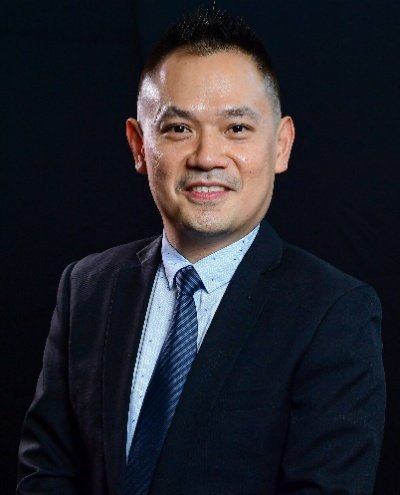
Prof. Su Shiung LAM
Dr. Su Shiung LAM is Professor at the Institute of Tropical Aquaculture and Fisheries, Universiti Malaysia Terengganu, and holds a PhD in Chemical Engineering from the University of Cambridge. His research focuses on thermochemical conversion, waste and biomass valorisation, and biorefinery technologies, with particular emphasis on pyrolysis and microwave heating for producing biofuels, syngas, and bio-carbon materials. His team also works on food security and sustainable aquaculture, including the cultivation and biorefinery of microalgae and seaweed and integrated co-culture systems. He has led and secured numerous research grants, filed patents, and co-founded a spin-off company to commercialise waste-to-value technologies. He has published extensively in leading journals, including Nature, Science, Applied Catalysis B: Environmental, and Chemical Engineering Journal.
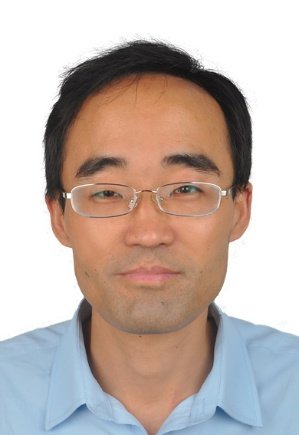
Prof. Kai YAN
Prof. Kai YAN is a Full Professor and Ph.D. Supervisor at Sun Yat-sen University, recruited under the university's prestigious “Hundred Talents Program” and supported by the National Elite Youth Talent Program. Leading an interdisciplinary research group in environmental chemistry and materials science, his expertise spans heterogeneous catalysis for biomass upcycling into liquid fuels/chemicals, electrocatalysis, and waste degradation. Prof. Yan has authored more than 200 SCI papers in top-tier journals yielding an H-index of 59 and over 13,000 citations. He serves as a Regional Editor for two international journals, a board member for six journals, and a reviewer for 37 major publications (e.g., JACS, ACS Catal., AIChE J.). His international profile is highlighted by his engagement in European ERC, German Cluster of Excellence, Canadian NSERC, and US Department of the Air Force research programs.
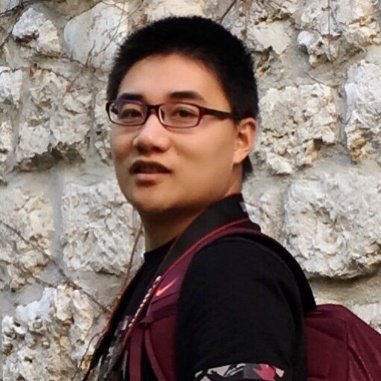
Prof. Zhuohua SUN
Prof. Zhuohua SUN is a Full Professor and Ph.D. Supervisor at Beijing Forestry University, supported by the National Overseas High-Level Talent Youth Program. He received his Ph.D. from the University of Groningen (Netherlands) and completed his postdoctoral training under the guidance of the eminent Academician Prof. Avelino Corma in Spain. Specializing in the catalytic upcycling of biomass, Prof. Sun has been repeatedly named among the “World's Top 2% Scientists.” He has authored over 60 high-impact papers in elite journals such as Nature Catalysis, Chemical Reviews, and Nature Communications. His research portfolio includes leading NSFC General Programs, MOST National Key R&D sub-projects, and High-End Foreign Expert Programs. He is also a Youth Board Member for Transactions of Tianjin University and serves as the Deputy Secretary-General of the National Innovation Alliance for High-Value Utilization of Lignin.
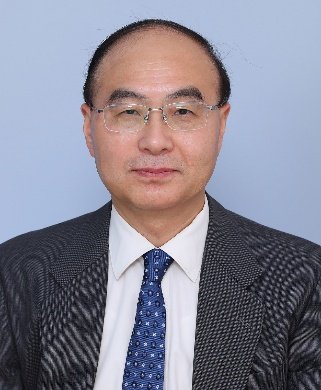
Prof. Ye WANG
Professor Ye Wang obtained his PhD in 1996 from Tokyo Institute of Technology. He then worked at Tokyo Institute of Technology, Tohoku University and Hiroshima University, and was promoted to Associate Professor at Hiroshima University. He became a full Professor of Xiamen University in the August of 2001 and served as the director of State Key Laboratory of Physical Chemistry of Solid Surfaces during 2015-2022. Prof. Wang was the vice director of Catalysis Society of China during 2005-2012 and a Council Member of International Association of Catalysis Societies during 2012-2022. He is an Associate Editor of ACS Catalysis and the Editorial Board member of many journals including Acc. Chem. Res. and Catal. Rev. Prof. Wang has co-authored ~350 papers with an H-index of 104 (Web of Science). He is a recipient of the National Outstanding Youth Science Fund (2006) and the First Prize of the Ministry of Education's Natural Science Award (2025). Professor Wang is the Follow of the Royal Society of Chemistry and Chinese Chemical Society. The research interest of Professor Wang's group is catalysis for C1 and sustainable chemistry.
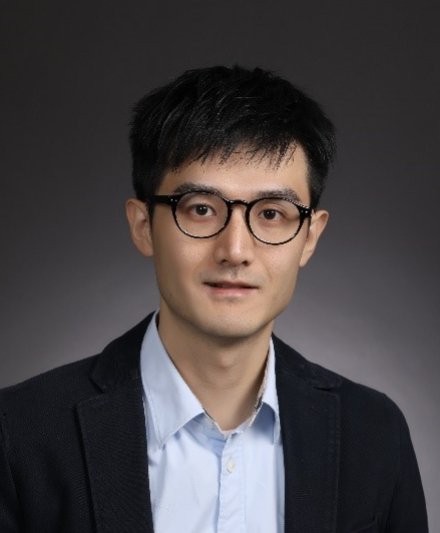
Prof. Haohong DUAN
Prof. Haohong DUAN is a tenured associate professor at Tsinghua University. He received his B.Sc. from Peking University (2009) and Ph.D. from Tsinghua University (2014), followed by postdoctoral research at the University of Oxford (2015–2018). He has been leading an independent research group at Tsinghua since 2019. His research focuses on developing electrocatalytic systems for converting industrial feedstocks, biomass, and waste plastics into value-added chemicals, with an emphasis on reaction pathway design, catalyst synthesis, and electrolyzer construction. He has published over 100 papers as corresponding author in top-tier journals including Nat. Catal., Nat. Synth., Nat. Commun., J. Am. Chem. Soc., and Angew. Chem. Int. Ed. He serves on the Advisory Board of Chemical Science and as a specially invited editor for Science Bulletin.
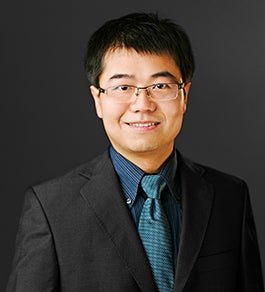
Prof. Ning YAN
Prof. Ning YAN is Professor of Chemical and Biomolecular Engineering at the National University of Singapore and Director of the NUS Hydrogen Innovation Centre. He leads the Green Catalysis Laboratory, which focuses on catalytic conversion of renewable carbon resources, green chemistry and engineering, and catalyst design for biomass conversion, plastic upcycling, and ammoniabased energy systems. Prof Yan's work integrates molecularlevel catalyst design with reactor and process engineering to enable scalable routes for lowcarbon fuels, green hydrogen carriers, and circular chemicals. He has received major international distinctions, including national research awards and recognition from the American Chemical Society and Royal Society of Chemistry, and has been listed as a Highly Cited Researcher in Chemistry. His group collaborates widely with industry and government partners to accelerate deployment of sustainable catalytic technologies.
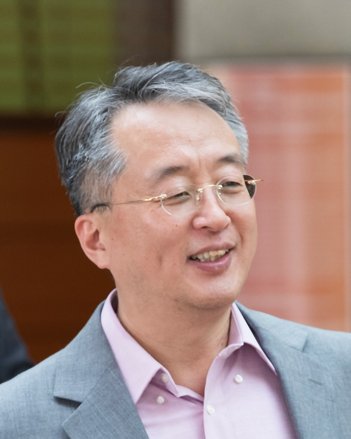
Prof. Xuejun PAN
Dr. Xuejun Pan is the Vilas Distinguished Achievement Professor and Douglas D. Sorenson Professor in the Department of Biological Systems Engineering at the University of Wisconsin-Madison. He earned his B.S., M.S., and Ph.D. degrees in Chemical Engineering (Pulp & Paper major) from Tianjin University of Science and Technology (China), and a second Ph.D. in Applied Bioscience from Hokkaido University (Japan). Prior to joining the UW-Madison faculty, Dr. Pan conducted postdoctoral research at the Georgia Institute of Technology, the University of Minnesota, and the University of British Columbia. Dr. Pan's research focuses on the development and fundamental understanding of innovative technologies for converting lignocellulosic biomass into liquid fuels, platform chemicals, and functional materials, as well as for waste valorization. His work integrates reaction engineering, materials science, and sustainable processing to advance next-generation biorefineries. He has received numerous honors, including the AIChE Andrew Chase Award (2021), the Vilas Mid-Career Award (2018), the Alfred Toepfer Faculty Fellow Award (2011), and the NSF CAREER Award (2009). Dr. Pan is an elected Fellow of the American Institute of Chemical Engineers (AIChE, 2024) and the International Academy of Wood Science (2013). Additional information is available on his laboratory website: http://biorefining.bse.wisc.edu/.
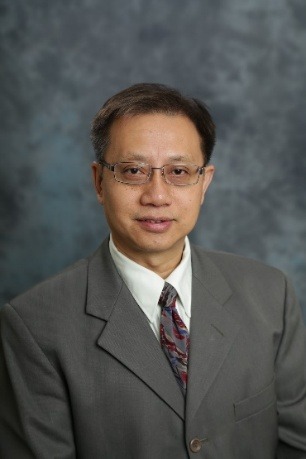
Prof. Huining XIAO
Dr. Huining Xiao, Professor Emeritus at the University of New Brunswick (UNB), Fellow of Canadian Academy of Engineering (FCAE), Chief Scientist of joint international research lab of lignocellulose functional materials at NFU and Editor-in-Chief of J. Bioresour. Bioprod., obtained his Ph.D in Chemical Engineering at McMaster University in 1995. Prior to joining UNB in 2001, he was a Lecturer at the University of Manchester from 1996 to 2001. Dr. Xiao's research interests cover the functional-modified cellulose as environmentally friendly materials, smart hydrogels as carriers for agrochemicals, and antiviral and antibacterial paper and cellulose nonwoven materials. To date Dr. Xiao has published over 600 SCI peer-reviewed journal papers (Google Scholar citations > 33100 and h-index 86). He is one of the Clarivate Highly Cited Researchers worldwide in cross-field.
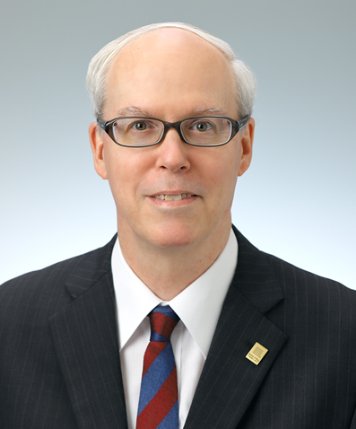
Prof. Richard Lee Smith, Jr.
Richard Lee Smith, Jr. is a Professor in the Graduate School of Environmental Studies (GSES)/GP-RSS, Tohoku University, Japan. He obtained his PhD in Chemical Engineering from the Georgia Institute of Technology (USA) in 1985 and is an elected Fellow of the Society of Chemical Engineers, Japan. His research focuses on developing green chemical processes with solvothermal and hydrothermal methods. He has published more than 300 scientific papers and is author of Introduction to Supercritical Fluids, 2nd Edition published by Elsevier in 2026 and Co-editor for the Book Series Biofuels and Biorefineries (Zhen Fang, Editor-In-Chief) published by Springer-Nature. Professor Smith is Senior Editor of the Journal of Supercritical Fluids.
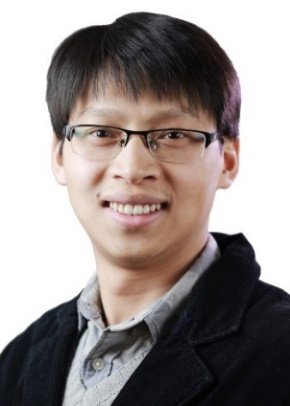
Prof. Xuebing ZHAO
Dr. Xuebing ZHAO is a tenured Associate Professor and PI in the Department of Chemical Engineering, Tsinghua University, China. He received his PhD degree in the Department of Chemical Engineering at Tsinghua University in 2009. He performed his post-doctoral research at Tsinghua University (2009–2011) and the University of Wisconsin-Madison (2014–2015). His current research focuses on the biorefining of lignocellulosic biomass to produce biofuels and chemicals via biological, chemical and electrochemical approaches. He has published more than 150 academic papers and book chapters in the field of biomass conversion with total cites of more than 13,000 times, and an H-index of 56. He was awarded the Tsinghua "Liangshi Yiyou (良师益友)" Award for Outstanding Mentors and Friends of Students, Liu-Shuli Education Contribution Award, Young Scientist Prize of the Hou Debang Chemical Science and Technology Award etc. Since 2020, he has been annually listed among Stanford's World's Top 2% Scientists and Elsevier's Highly Cited Chinese Researchers.
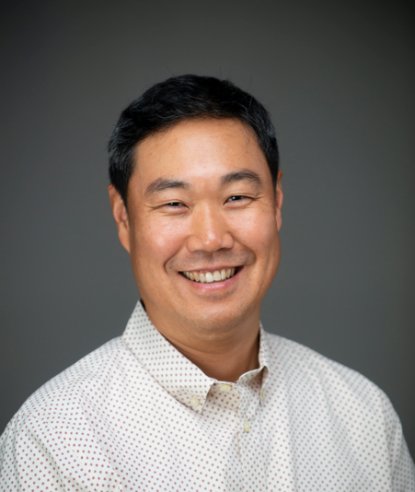
Prof. Sunkyu PARK
Prof. Sunkyu PARK is the Associate Department Head and Jordan Family Distinguished Professor in the Department of Forest Biomaterials at North Carolina State University (NCSU). He joined the NCSU faculty in 2009 after earning his Ph.D. in the same department, followed by postdoctoral training at the University of Tennessee–Knoxville and the U.S. Department of Energy's National Renewable Energy Laboratory (NREL).
Dr. Park's department is a national leader in Pulp and Paper education, where he teaches process simulation for pulp and paper operations and biorefinery systems. His research encompasses a broad spectrum of biorefinery development, emphasizing the conversion of lignocellulosic biomass into biofuels, biochemicals, and biomaterials, with primary funding from the U.S. Department of Energy (DOE).
He is recognized as a leading researcher in bio-based graphite production, a field with significant potential to reduce dependence on foreign sources of battery-grade graphite. Dr. Park has authored more than 150 peer-reviewed publications, holds an h-index of 54 with over 12,500 citations, and is currently leading seven DOE-funded projects, serving as principal investigator on four of them.
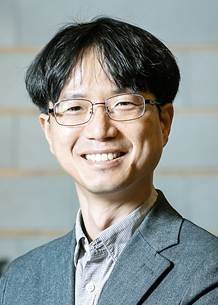
Prof. Sang-Hyoun KIM
Sang-Hyoun KIM is a professor in the Department of Civil and Environmental Engineering and a Lee Youn Jae Fellow at Yonsei University, Korea. He has been served as a vice president of Korean Society of Waste Management since 2024. He received his Ph.D. in Civil and Environmental Engineering at Korea Advanced Institute of Science and Technology (KAIST), where he also got his master's and bachelor's degrees in civil engineering and chemistry, respectively. Before coming to Yonsei University, he was a faculty member at Daegu University (2010 to 2018), a senior researcher at Korea Institute of Industrial Technology (2009 to 2010), a postdoctoral researcher at Iowa State University (2006 to 2009) and, a visiting scholar at University of Illinois at Urbana-Champaign (2016 to 2017). His research interests lie in waste-energy-resources nexus. Specifically, his research focuses on anaerobic digestion and biohydrogen production. He was named as a highly cited researcher (HCR) in 2024 by Clarivate and the scientist of the month in July 2025 by the Ministry of Science and ICT, Korea.
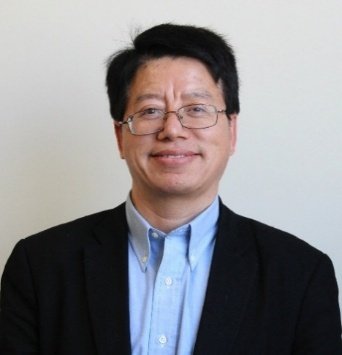
Dr. Xuejun ZOU
Dr. Xuejun ZOU joined Shandong Huatai Paper in January 2026. During his 33-year career at FPInnovations - a world-renowned forest products R&D institute in Canada, Dr. Zou held several management positions in R&D, technology transfer and business development.
Dr. Zou served as a Board Member (2010–2015) of the SENTINEL University Network on Developing Bioactive Paper, funded by the Natural Sciences and Engineering Research Council of Canada (NSERC) and industrial partners. He was also the Lead Scientist (2012–2015) of the NSERC University Network on Innovative Green Wood Fibres. He co-supervised numerous graduate students and postdoctoral fellows in collaboration with the University of New Brunswick, the University of Toronto, and Karlstad University.
Dr. Zou has actively promoted R&D cooperation between China and Canada. He was one of the key figures in initiating the China–Canada collaborative research project “Application of High-Yield Pulp (HYP) in High-end Printing and Writing (P&W) Papers”. This project significantly accelerated the transformation of furnish structures in China's P&W paper sector and had a profound impact on the expanded use of HYP as well as on the sustainable development of China's paper industry.
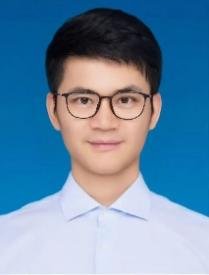
Prof. Xianhai ZENG
Dr. Xianhai Zeng is a full Professor in the State Key Laboratory of Physical Chemistry of Solid Surfaces and College of Energy at Xiamen University. His research focuses on the development of green energy and chemical conversion technologies for renewable carbon resources such as biomass.
He received his Ph.D. in Engineering from Xiamen University in 2012. After serving as an Assistant Professor at Xiamen University, he was promoted to Associate Professor in 2015 and has been a Full Professor since 2018. He is also a Professor at the State Key Laboratory of Physical Chemistry of Solid Surfaces and serves as the Head of the Department of New Energy at Xiamen University. His H-index is 57, with more than 11,000 citation. He has led several key projects including funded by the National Natural Science Foundation of China, etc., and has overseen the commercialization and industrial application of multiple technological achievements, thereby contributing to local economic development.
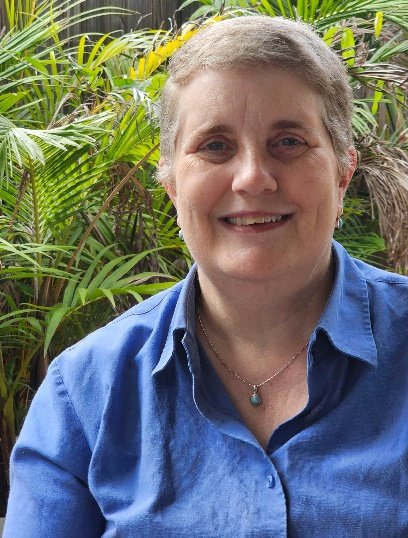
Prof. Karen Wilson
Prof. Karen Wilson is Editor in Chief of Sustainable Energy & Fuels (Royal Society of Chemistry), and Professor of Catalysis and co-director of the Surfaces Materials and Catalysis Group at Griffith University in Queensland, Australia. She is also holds visiting Professorships at The University of Liverpool, UK, NANOCAT, University of Malaya, and The Hydrogen Energy and Low Carbon Center at Lanzhou University, China. Previously she held professorial positions at RMIT University (2018-23) and Aston University (2013-17), where she was also Research Director of the European Bioenergy Research Institute and held a prestigious Royal Society Industry Fellowship in collaboration with Johnson Matthey. Prior to this Karen also held academic positions at the University of York and Cardiff University, and was awarded her BA(Hons) in Natural Sciences (1992) and PhD (1996) from the University of Cambridge. Karen's research interests lie in the design the design of tunable porous materials for sustainable biofuels and chemicals production from renewable resources, on which she has published >320 peer-reviewed articles (h-index 90, >29,000 citations Google Scholar). Karen is also Associate Editor of Energy & Environmental Materials (Wiley), Editorial Board member for Energy & Environmental Science (Royal Society of Chemistry) and Australian representative on the IUPAC Interdivisional Committee on Green Chemistry for Sustainable Development (ICGCSD), and also holds an International Distinguished Fellowship, from the Chinese Academy of Sciences Presidents International Fellowship Initiative, at Dalian Institute of Chemical Physics. She was also a founding co-investigator and theme leader the Australian Research Council Centre of Excellence, 'Green Electrochemical Transformation of Carbon Dioxide' - GetCO2.
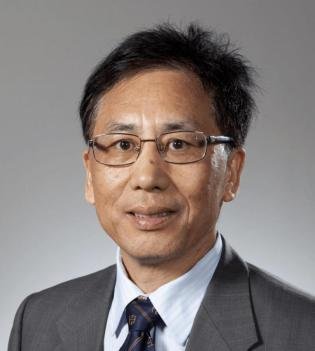
Prof. Shusheng PANG
Dr. Shusheng Pang is a professor in the Department of Chemical and Process Engineering and Co-Director of the Wood technology Research Centre at University of Canterbury, New Zealand. Professor Pang is the Fellow of Engineering New Zealand and Fellow of the International Academy of Wood Science (IAWS). He is also the Chair of IAWS Academy Board and member of Executive Committee (https://www.iaws-web.org/). Recently, he was elected to the Foundation Fellow and Vice Present of International Academy of Drying Science and Technology (www.iradstm.org). His research includes biomass energy and biofuel with focus on biomass gasification and pyrolysis for liquid and gaseous fuels as well as CO2 capture and utilization. He also has strong interests in drying of wood and wood-based materials. He has published over 300 papers in international journals with citation of more than 11,000 times and h-index of 49 (google scholar). Further information about Professor Pang can be found at:https://profiles.canterbury.ac.nz/Shusheng-Pang
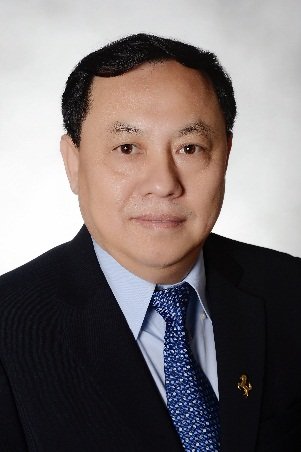
Prof. Longlong MA
Prof. Longlong Ma is now working at Southeast University. He used to be the Chief Scientist of the National 973 Program, and is an inaugural inductee of the National Special Support Plan for Leading Talents in Scientific and Technological Innovation. He is also a Fellow, Executive Director, and Chairman of the Biomass Energy Committee of the Chinese Renewable Energy Society. His research focuses on efficient biomass conversion and high-value utilization. He has led and completed over 40 major national projects, including the National 973 Program. He has published more than 600 SCI/EI papers with over 18,000 citations and an h-index of 72, and authored 14 books. He has received two Second Prizes of the National Science and Technology Progress Award, two China Patent Excellence Awards, and three First Prizes of Guangdong Province. He was honored as a National Outstanding Science and Technology Worker in 2012.
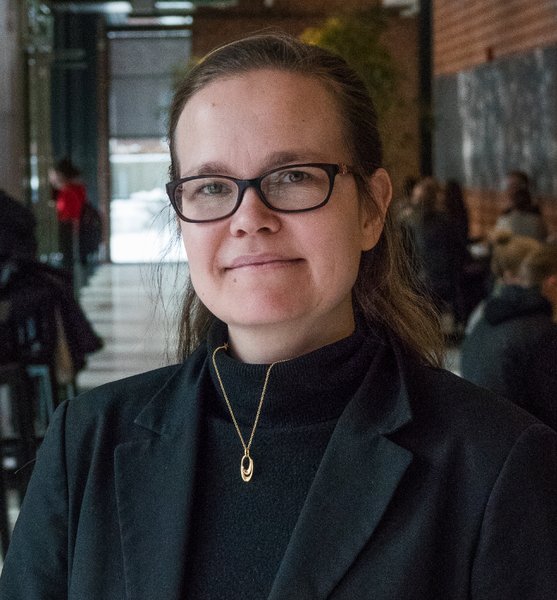
Prof. Louise Olsson
Dr. Louise Olsson is Professor in Chemical Engineering at Chalmers University of Technology, Sweden. She received her PhD from Chalmers in 2002 on kinetic modelling of lean NOx traps and became Professor in 2014. She has also been a visiting researcher at General Motors in Detroit, USA, and Cummins Inc. in Columbus, USA. Since 2023, she has served as an Editor of Chemical Engineering Journal. Her research focuses on heterogeneous catalysis with applications in sustainable fuel production, renewable chemicals, carbon capture and utilization (CCU), plastic recycling, and emission control. A major focus of her work is catalytic upgrading of renewable feedstocks, including bio-oils and lignin-derived streams, into advanced biofuels and value-added chemicals. Her research combines catalyst synthesis, characterization, reactor experiments, and kinetic modelling to understand catalytic materials and reaction mechanisms. By integrating fundamental studies with applied research, often in collaboration with industry, her work contributes to the development of sustainable processes for future energy and chemical production.
Prof. Jijun ZOU
Dr. Jijun ZOU, Chair Professor at Tianjin University, Yangtze River Scholar of the Ministry of Education, and Distinguished Young Scholar of the National Ten-thousand Talents Program for Scientific and Technological Innovation. His research focuses on hydrogen energy and energy chemical engineering.
He has presided over key national R&D programs and international cooperation projects funded by the National Natural Science Foundation of China. To date, he has published more than 260 research papers in journals including Nature Energy and Nature Communications, as well as one English monograph and one Chinese monograph. He has been named a Highly Cited Researcher by both Clarivate Analytics and Elsevier.
Professor Zou holds over 50 authorized invention patents in China and the United States. His academic honors include the Second Prize of the National Natural Science Award, the First Prize for Basic Research Achievements from the Chemical Industry and Engineering Society of China (CIESC), the Hou Debang Chemical Science and Technology Innovation Award (CIESC), and the Outstanding Youth Science and Technology Contribution Award from the China Petroleum and Chemical Industry Federation.
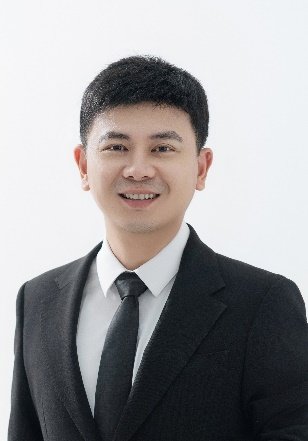
Prof. Jie FU
Prof. Jie Fu, The NSFC Distinguished Young Scholar and Excellent Young Scholar, Qiushi Distinguished Professor of Zhejiang University. His research focuses on the utilization of green carbon resources including biomass and carbon dioxide. He has published more than 180 academic papers in journals such as AIChE J., J. Am. Chem. Soc., Nature Commun., Angew. Chem., and holds over 60 authorized national invention patents. He has been awarded the First Prize of the Science and Technology Progress Award, CPCIF and the Innovation Award of the Hou Debang Chemical Science and Technology Award. He has presided over more than 40 research projects, including programs supported by the National Natural Science Foundation of China, National Key R&D Program of China, Zhejiang Provincial Natural Science Foundation, Boeing Company, Sinopec Group, CONBA Group and so on.
Prof. Johannes Schenk
Prof. Johannes Schenk is a Full Professor and the Chair of Ferrous Metallurgy at the Montanuniversität Leoben in Austria. His research focuses on sustainable ironmaking and steel production, with an emphasis on hydrogen-based plasma smelting reduction and the use of renewable carbon sources to achieve carbon-neutral steel manufacturing. He has received numerous accolades for his work, including the prestigious AIST-TMS John F. Elliott Lectureship Award. He is an active editorial board member for several metallurgical journals and has authored over 180 publications and more than 30 patent families.
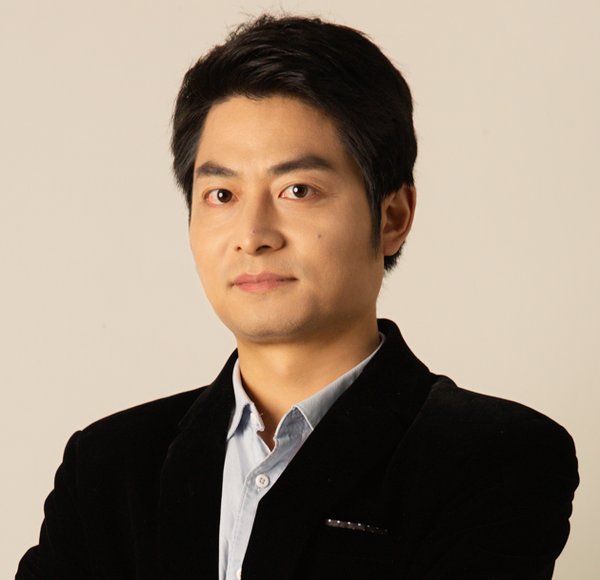
Prof. Runsheng XU
Dr. Runsheng XU, a professor at the School of Metallurgy and Ecological Engineering of Beijing University of Science and Technology, dedicated to the research and development of new low-carbon green ironmaking technologies. He has hosted a number of national and provincial-level scientific research projects in recent years, including the National Natural Science Foundation of China Youth Program, China Postdoctoral Science Foundation, etc, and has published over 100 academic papers as first/corresponding author, including more than 40 papers in Q1/TOP-tier journals and 2 highly cited papers. With over 50 authorized invention patents (including 3 international patents), his related achievements have received more than 10 provincial/ministerial-level scientific and technological awards.
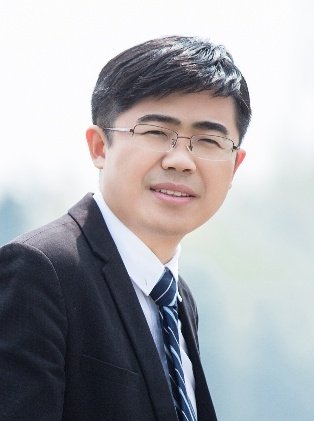
Prof. Rufei WEI
Dr. Rufei WEI is a professor and doctoral supervisor at Anhui University of Technology. His research focuses on low-carbon biomass metallurgy and the resource utilization of metallurgical solid wastes. He has led over 20 research projects, including those funded by the National Natural Science Foundation of China and Anhui Provincial Natural Science Foundation, as well as major industry collaborations. He has published more than 100 academic papers, with a total citation count of 2104 and an H-index of 24, and has been listed in Stanford University's “World's Top 2% Scientists” ranking. He holds 15 authorized invention patents, among which one has reached an international leading level and two have reached an international advanced level. He has been honored with the China Circular Economy Science and Technology Award, the China Metallurgical Science and Technology Award, the Baowu Technology Innovation Major Achievement Award, and the Anhui Provincial Teaching Achievement Award.
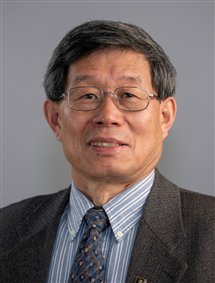
Prof. Yuanhui ZHANG
Dr. Yuanhui Zhang is a Founder Professor in Agricultural and Biological Engineering, and an affiliate with Mechanical Science Engineering, and Bioengineering at the University of Illinois at Urbana-Champaign (UIUC). He is a Fellow of American Society of Agricultural and Biological Engineers (ASABE) and a fellow of American Society of Heating, Refrigeration and Air-Conditioning Engineers (ASHRAE). His research interest is energy and environment, focusing on zero carbon and zero energy technologies for a circular bioeconomy. His lab is advancing the science and technology of hydrothermal liquefaction (HTL) of wet biowaste including food waste, sewage sludge, and algae into biocrude oil; upgrading HTL biocrude into sustainable aviation fuel (SAF) and other biochemicals; and valorising post-HTL aqueous phase (HTL-AP) by recovering nutrients and energy.
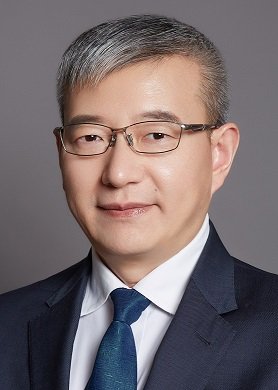
Prof. Shicheng ZHANG
Dr. Shicheng Zhang, Professor of the Department of Environmental Science and Engineering at Fudan University, is a recipient of the “Shanghai Oriental Talents Program” and Director of Shanghai Technical Service Platform for Pollution Control and Resource Utilization of Organic Wastes. He also serves as a Distinguished Member of the Academic Committee of the Chinese Research Academy of Environmental Sciences, and Associate Editor of academic journals including Environmental Engineering Research and npj Materials Sustainability, among other roles. His main research focuses on organic solid waste pollution control and resource recycling. He has published over 270 papers in academic journals such as PNAS, Environmental Science & Technology (EST), and Water Research; and holds more than 20 authorized invention patents. He has won honors and awards including the Second Prize of Natural Science from the Ministry of Education, the Second Prize of Natural Science of Shanghai, and the First Prize of Shanghai Teaching Achievements. He is listed among the World's Top 2% Scientists and the World's Highly Cited Scientists (Top 1%).
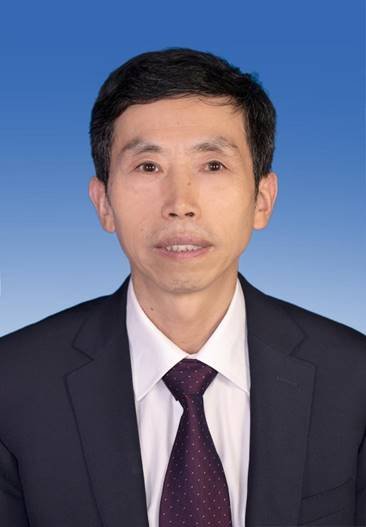
Prof. Hengfu SHUI
Dr. Hengfu SHUI, Professor at Anhui University of Technology. One of the first batch of Academic and Technical Leaders of Anhui Province, an Outstanding Talent of Anhui Province, and Vice Director of the Engineering Thermochemistry Committee of the China Chemical Industry Society. Served as principal investigator for 8 NSFC-funded projects (including 1 key project); jointly undertook 6 major national projects, including the National Key R&D Program of China; published over 270 SCI/EI-indexed papers; consecutively listed on Stanford University's “Top 2% of World's Most Cited Scientists” ranking; authored 2 academic books; granted 38 invention patents; received 5 provincial science and technology awards.
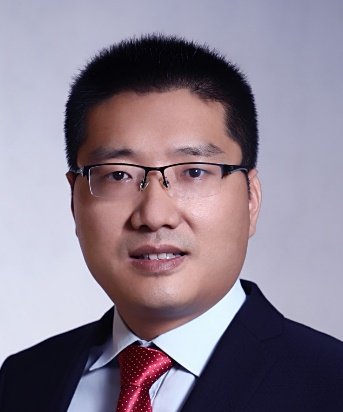
Prof. Zhidan LIU
Dr. Zhidan LIU is a Leading Professor at China Agricultural University, Deputy Director of the Key Laboratory of Facility Agriculture Engineering of MARA. He has been awarded as the Chang Jiang Young Scholars, IAAM Fellow, Elsevier Highly Cited Chinese Researcher and Stanford Top 2% of the World's Most-cited Scientists. He focuses on developing hydrothermal conversion technologies for biomass waste to co-produce biocrude oil, hydrochar, and fertilisers. He serves as Council Member of the IAAM Asia-Pacific Council, Member of the National Technical Committee on Solid Biofuels Standardisation, Vice Chair of relevant divisions within the Chinese Society of Agricultural Engineering. He serves in editorial capacities for IJHE and BEJ. He has published over 100 first or corresponding author papers in journals like Nature Communications and Science Bulletin, more than 30 authorised invention patents, and authorship of 13 books. He has led research projects funded by National Key R&D Program of China and NSFC. His research was awarded as the Natural Science Award from the Ministry of Education.
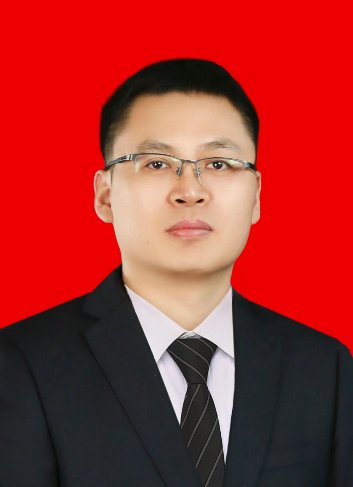
Prof. Donghai XU
Professor Donghai XU works at the School of Energy and Power Engineering, Xi'an Jiaotong University, and is a national-level young talent. His research focuses on hydrothermal conversion of wet biomass, catalytic hydrotreating and upgrading of bio-oil, hydrothermal reactor development, and integrated system design for biomass conversion. In these areas, Professor Xu has led 16 national and provincial-level research projects. As first or corresponding author, Professor Xu has published 104 SCI papers as the first/corresponding authors. These publications have received over 8,000 citations, with an H-index of 47. In addition, Professor Xu has authored five books in Chinese and English and holds 68 authorized invention patents.
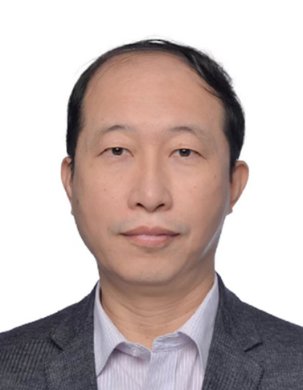
Prof. Weizhong QIAN
Dr. Weizhong QIAN is a full Professor in Department of Chemical Engineering, Tsinghua University, China. His research interests cover Nano materials, advanced catalysis and chemical engineering. He is currently a member of Chinese Particuology Society and a member of capacitor committee of China Electrotechnical Society. He published around 150 SCI-indexed papers and was granted 70 patents of China. His H factor is 56. He got National top 100 Ph.D. theses Award in China in 2005, and was awarded as excellent young scientist of Minister of China(2007), Chinese particuology Society(2008) and as Houdebang Innovation prize of China petroleum and Chemical industry association. He was awarded by National Scientific and Technology Progress Award of China (second grade,2008) and other 6 first grade awards by minister or province government of China, owing to the contribution in fundamental study in carbon nanomaterials and the industrial application of fluidized bed technology.
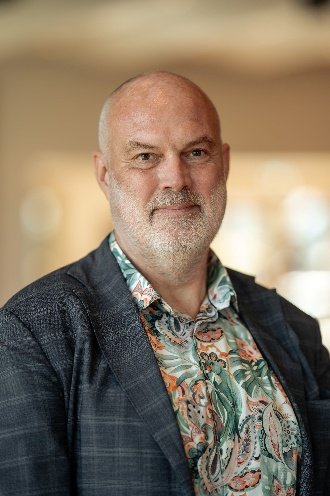
Prof. Lasse Rosendahl
Lasse Rosendahl holds a PhD in Mechanical Engineering from Aalborg University (1998) and has a background in fluid dynamics, heat and mass transfer and modeling. Over the last couple of decades, his focus has been sustainable fuels from waste and other organic material through thermochemical conversion (hydrothermal liquefaction) and catalytic upgrading to SAF, diesel and marine fuels. Within this topic, he has been PI/co-PI of several European, Nordic and Danish consortia and represented Denmark in IEA Bioenergy Task 34 Direct Thermochemical Liquefaction. Within the broader field of sustainable energy technologies and systems, he has been a member of the Program Committee on Energy (Horizon 2020) and currently Cluster 5 (Horizon Europe). He became full professor in 2008, and, in 2019, head of department at AAU Energy, and held that position until February 2025, where he was appointed CEO of the Novo Nordisk Foundation CO2 Research Center CORC. He also holds a full professorship at the Department of Biological and Chemical Engineering, Aarhus University. He currently serves on the board of the Independent Research Fund Denmark, a public research funding organization, as well the board of INNO-CCUS, the Danish CCUS partnership. He is a member of the Danish Academy of Technical Sciences (ATV) and serves as Danish node lead in the European CCUS research infrastructure consortium, ECCSEL ERIC.
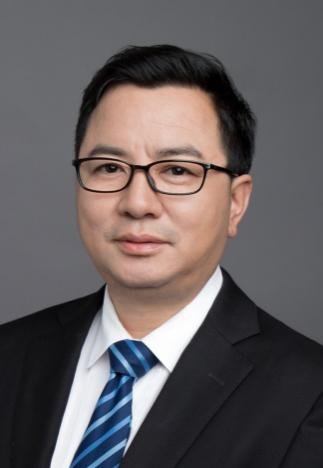
Prof. Rui XIAO
Professor Xiao obtained his Ph.D. degree of Thermal Engineering from Southeast University (Nanjing, China) in 2005. He has been a visiting professor at Kentucky University in USA and Cambridge University in UK. Now Professor Xiao is the Dean of the School of Energy and Environment at Southeast University, China. He is also the Cheung Kong Scholar Chair Professor and the recipient of National Science Fund for Distinguished Young Scholars. His research interests lie in solid waste (including biomass) pyrolysis and gasification for fuel production, clean and low-carbon combustion of coal/biomass for power generation, and CO2 capture, utilization and storage, etc. Professor Xiao proposed the directed catalytic pyrolysis of biomass for the first time. By controlling the free radicals during the pyrolysis reactions of biomass, he innovatively modulated the final products with high value and quality for biomass pyrolysis. Professor Xiao has published over 400 peer-reviewed papers on high-impact journals, including Science, and Nature Communications etc. The total citation of him is above 25,000 times and his h-index is above 80. Since 2014, he has been awarded the world highly cited researcher in energy field for continuous 12 years. He has been authorized more than 100 International/Chinese patents.
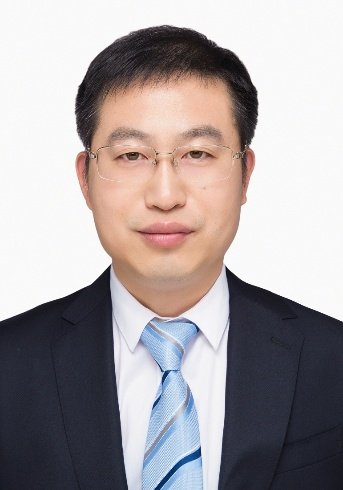
Prof. Shurong WANG
Dr. Shurong Wang holds the appointment of Distinguished Professor at at both Zhejiang University and Shenyang University of Chemical Technology, as well as Deputy Director of the State Key Laboratory of Clean Energy Utilization. He is a Fellow of the Royal Society of Chemistry and serves as Editor-in-Chief of Journal of Analytical and Applied Pyrolysis. He was awarded the National Science Fund for Distinguished Young Scholars in 2017, and has led two research projects supported by the National Key R&D Program of China, launched in 2018 and 2023 respectively. His research is mainly focused on the thermochemical conversion of biomass and organic solid wastes for the production of high-grade liquid fuels, value-added chemicals and functional materials. His research interests further span efficient carbon dioxide conversion and the development of advanced energy storage systems. As a corresponding author or first author, he has published over 300 peer-reviewed academic papers in prestigious journals, including Energy & Environmental Science, Joule, and Progress in Energy and Combustion Science.
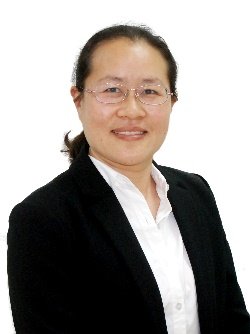
Prof. Haiping YANG
Dr. Haiping Yang is a Chief Professor in Huazhong University of Science and Technology. She is focused on Biomass/solid wastes thermochemical conversion for green H2 production, liquid fuel and biochar. So far she has published over 300 SCI papers, 10 book chapters and SCI citation is over 30000 with 20s cited in ESI. Now she owns National Science Fund for Distinguished Young Scholars program (China), the Excellent Young Scholars program (China), Newton Advanced Fellowships, the Most Cited Chinese Researchers (Elsevier 2014-2025) and Highly-cited-researchers @ Clarivate (2024). She is associated editor of Fuel Processing Technology, and board member of Energy Conversion and Management, Fuel, Journal of the Energy Institute, Journal of Analytical and Applied Pyrolysis, Cabon Capture Science and Technology and Green Carbon, etc. She is also Board Directors member of Combustion Institute and Chinese Renewable Energy Society.